
The cooler months bring a shift in how your landscape looks and performs. For many Bay Area property owners, fall and winter can feel like a landscape afterthought. The summer flowers are gone. The grass stops growing. What’s the point in doing anything. The point is that this is actually when your landscape has the most potential to shine. When properly managed, fall and winter landscapes are some of the most visually stunning of the year. The right plants, careful maintenance, and strategic planning create curb appeal that improves during cooler temperatures. Plus, the work you do now directly impacts how your landscape performs next spring. Let’s break down how to maximize curb appeal during cooler months and why it matters for your property’s appearance and long-term health.
What Happens to Your Landscape in Cooler Months
Temperature drops, daylight decreases, and moisture patterns change. These aren’t just seasonal shifts. They fundamentally change how plants grow and what maintenance they need.
Many plants go dormant in cooler months. That doesn’t mean they’re dead or ugly. It means they’re conserving energy for spring growth. Deciduous trees lose their leaves, which some people see as bare branches and others see as clean architectural lines and interesting textures. Perennials die back. Cool-season grasses slow down or stop growing entirely.
Helpful Facts
- Fall and winter is when Bay Area landscapes have the most potential to shine — with proper management, cooler months create some of the most visually stunning landscapes of the year.
- Cool-season plants actively grow and bloom during fall and winter — plants like winter jasmine, camellias, witch hazel, and cool-season ornamental grasses perform beautifully when most landscapes look dormant.
- You need to reduce watering by 30-50% during cooler months — lower temperatures and dormant plants require significantly less water, and overwatering can cause fungal issues.
- Fall is the ideal planting season in the Bay Area — cooler temperatures reduce transplant stress and give plants time to establish root systems before next summer's heat.
- Your landscape represents 15-20% of your property's curb appeal — a year-round maintained landscape (including cooler months) signals overall property care and directly impacts property value.
Your landscape transitions. And if you’re not intentional about managing that transition, it can look neglected. If you plan for it, it looks intentional and well-maintained.
The good news: The Bay Area’s mild winters mean you have more options than most climates. You’re not dealing with snow cover or extreme cold stress on most plants. You can maintain and improve curb appeal throughout fall and winter.
How to Plan Your Cooler-Month Landscape Now
Waiting until December to think about your landscape appearance is too late. The best cooler-month curb appeal comes from planning in late summer or early fall.
Start by assessing what you have now. Which plants are going dormant? Which ones stay green or colorful through winter? What does your landscape look like when those summer stars go quiet? For many properties, this reveals gaps. You have beautiful flowering perennials and shrubs that put on a show May through September, but then October through March looks bare and uninspiring.
This is where cool-season plants and winter interest become your strategy. Instead of waiting for spring to start looking good again, you actively fill those gaps with plants and features that perform during cooler months.
Best Plants for Fall and Winter Curb Appeal in the Bay Area
The Bay Area climate allows several plant categories to thrive or transition beautifully during cooler months, including:
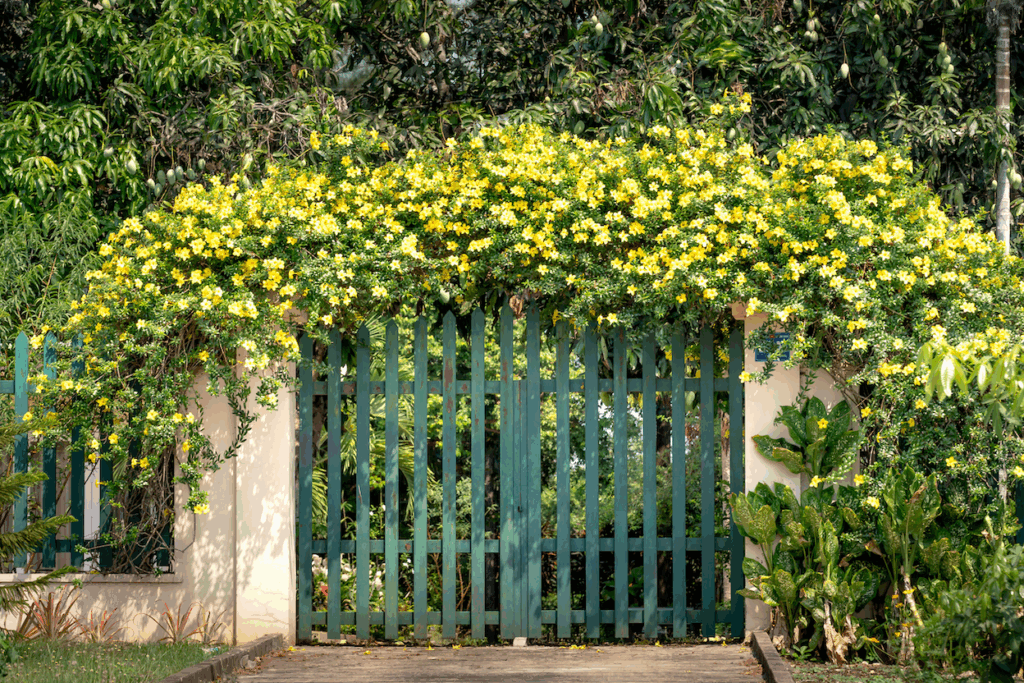
Winter-blooming plants actively flower during cooler temperatures. Winter jasmine produces bright yellow flowers December through February. Camellias bloom November through March. Witch hazel flowers appear in January and February. These plants are color statements during months when most landscapes are quiet.
Evergreen shrubs and trees stay green and structured year-round. This is where plants like boxwood, photinia, and Italian cypress provide consistent architectural interest. They’re the foundation that keeps your landscape looking maintained even when deciduous plants have dropped their leaves.
Cool-season ornamental grasses actually green up during fall and winter months. Festuca, blue fescue, and other cool-season grasses are dormant and brown during hot summers but actively grow and look vibrant during cooler temperatures. This is the opposite of warm-season grasses, which makes them perfect for winter visual interest.
Colorful foliage plants provide interest through leaf color rather than flowers. Japanese maples with red leaves, golden duranta, and burgundy-leafed photinia add visual depth through November and December. These aren’t flashy, but they’re sophisticated and effective.
Hardscape features stand out more when plant material is less dense. Stone pathways, mulched beds, decorative rocks, and architectural elements become focal points during cooler months when they’re less hidden by foliage.
Practical Maintenance for Fall and Winter
Looking good during cooler months requires different maintenance than summer.
Clean up strategically but not aggressively. Fallen leaves from deciduous trees are expected and actually add to the fall aesthetic. That said, leaves clogging storm drains or piling up on lawn areas look neglected. The balance is regular leaf removal from walkways, drives, and planting beds while allowing some natural ground cover to remain for plant health and visual interest.
Adjust irrigation schedules. Cooler temperatures mean less water loss to evaporation, and dormant plants need less water than actively growing ones. Overwatering during fall and winter encourages fungal issues and weakens plants heading into spring. Most Bay Area properties can reduce watering frequency by 30 to 50% during cooler months depending on rainfall.
Prune thoughtfully. This is actually prime pruning season for many plants. Fall and winter pruning directs growth patterns for spring and removes dead or diseased wood. However, aggressive pruning should wait until late winter to avoid stimulating tender new growth too early. Light pruning and cleanup throughout fall and early winter works better.
Plant cool-season annuals and vegetables. Pansies, violas, and cyclamen perform beautifully in cooler months. Cool-season vegetables like lettuce, kale, and broccoli grow well in Bay Area gardens through winter. This adds seasonal color and functionality.
Apply mulch strategically. Fresh mulch in beds and around trees provides a clean, finished appearance while protecting root systems during cooler months. It also suppresses weeds and regulates soil temperature.
Why This Matters for Your Property Value
Your landscape represents 15 to 20 percent of your property’s curb appeal. Seasonal neglect, where properties look great six months of the year and bare the rest, signals poor maintenance. A landscape that looks intentional and well-maintained year-round, including through cooler months, signals that the entire property is cared for.
If you’re planning to sell, curb appeal during any showing season matters. If someone visits in January, you want them to see a maintained, attractive property. If you’re not selling, you still use and enjoy your outdoor space year-round. Why shouldn’t it look good during the months you’re actually spending time there?
Common Questions About Fall and Winter Landscape Care
Should I cut back all my perennials in fall? Not necessarily. Some perennials look good through winter and provide habitat. Cut back ornamental grasses in late winter rather than fall so they provide interest through cooler months. Tender perennials need to be cut back and protected, but hardy ones can be left standing until late winter to support pollinators and add structure.
Is fall a good time to plant in the Bay Area? Yes. Fall is actually ideal for planting many trees and shrubs. Cooler temperatures reduce transplant stress, and plants have time to establish root systems during winter before next summer’s heat. Spring is second best, but fall is often superior.
What do I do about deciduous trees that lose all their leaves? This is normal and not a problem. Bare branches reveal the tree’s architecture, which is actually attractive in landscape design. Make sure trees are structurally sound and pruned properly so they look intentional rather than neglected. Consider adding evergreen plantings around their base for visual continuity.
How much does cool-season landscape management cost? This varies based on property size and specific services. Maintenance like pruning, cleanup, and mulch application costs are similar year-round. Adding winter-blooming plants or cool-season plantings is an upfront design investment that pays off through improved appearance during multiple seasons.
Can I do this myself, or should I hire a professional? You can definitely do basic maintenance like leaf cleanup and irrigation adjustments yourself. However, plant selection, strategic pruning, and design planning benefit from professional expertise. An experienced landscaper knows which plants perform well in your specific Bay Area microclimate and how to structure cooler-month plantings for maximum impact.
Making It Happen with Bayscape
Cooler-month curb appeal isn’t complicated, but it does require intentional planning and consistent maintenance. The difference between a landscape that looks good year-round and one that has dead seasons comes down to:
- Understanding your plants’ seasonal behavior
- Adding cool-season performers to fill visual gaps
- Maintaining consistent seasonal care
- Using hardscape and structure to anchor the design
For Bay Area properties, the mild winters mean you have real opportunities here. You’re not fighting extreme cold or snow. You’re working with a climate that supports year-round growth and color if you choose the right approach.
At Bayscape, we’ve spent over 30 years helping Bay Area homeowners and businesses maintain beautiful landscapes through every season. Whether you’re ready to redesign your landscape to include winter interest or you want help optimizing your maintenance schedule, we can help you develop a plan that works. Contact us to discuss your property and how to maximize curb appeal during cooler months.